



What Is Emotional Regulation?
Emotional regulation is a child's ability to recognise, understand and manage their emotions in healthy, age-appropriate ways.
Young children are still learning how to:
- Identify their feelings
- Express emotions appropriately
- Cope with disappointment
- Calm themselves after becoming upset
- Solve problems peacefully
- Ask for help when needed
- Build resilience after challenges
These skills take time, patience and supportive relationships to develop.
Why Is Emotional Regulation Important?
Children who develop strong emotional regulation skills are more likely to:
- Build positive friendships
- Communicate their needs clearly
- Cope with change and challenges
- Develop confidence and independence
- Participate in learning experiences
- Solve conflicts respectfully
- Build resilience
- Experience positive mental wellbeing
Emotional regulation is not about stopping children from feeling emotions—it's about helping them understand that all feelings are normal and learning safe ways to respond.
Emotional Regulation Begins in the Early Years
The first five years of life are a critical time for social and emotional development.
During these years, children are learning how to:
- Recognise facial expressions
- Understand emotions in themselves and others
- Develop empathy
- Build secure relationships
- Manage frustration
- Follow routines
- Develop self-control
Children learn these skills through caring relationships, consistent routines and everyday experiences—not through punishment or perfection.
How Play Supports Emotional Regulation
Play is one of the most effective ways children learn about emotions.
Through play, children practise:
- Taking turns
- Sharing
- Negotiating
- Managing disappointment
- Waiting patiently
- Solving problems
- Understanding different perspectives
Pretend play, storytelling and role-playing also help children safely explore different emotions and social situations.
Simple Ways to Support Emotional Regulation
1. Name Emotions
Children first need the words to describe how they feel.
Use everyday language such as:
- Happy
- Sad
- Excited
- Frustrated
- Worried
- Proud
- Nervous
- Angry
- Calm
The more children hear emotional vocabulary, the easier it becomes for them to express themselves.
2. Validate Feelings
Instead of dismissing emotions, acknowledge them.
For example:
- "I can see you're feeling disappointed."
- "It looks like you're frustrated because your tower fell down."
- "You seem excited to show me your drawing."
When children feel understood, they are more able to calm down and solve problems.
3. Teach Calming Strategies
Children gradually learn ways to regulate their emotions.
Helpful strategies include:
- Taking slow breaths
- Counting to ten
- Reading a book
- Spending time outdoors
- Listening to calming music
- Drawing or painting
- Cuddling a comfort toy
- Asking an adult for help
Every child responds differently, so it's important to discover what works best for each individual.
4. Create Predictable Routines
Children feel more secure when they know what to expect.
Consistent routines help reduce anxiety and support emotional wellbeing by providing stability throughout the day.
5. Model Calm Behaviour
Children learn by watching the adults around them.
When educators and parents remain calm during challenging moments, children learn healthy ways to respond to big emotions.
Emotional Regulation Through Nature Play
Nature provides a calming environment where children can regulate their emotions while exploring at their own pace.
Activities such as:
- Gardening
- Collecting leaves
- Listening to birds
- Digging in sand
- Water play
- Watching clouds
- Walking outdoors
can help children relax, focus and reconnect with their surroundings.
Nature play also encourages mindfulness, curiosity and resilience.
Emotional Regulation Through Loose Parts Play
Loose parts play gives children opportunities to make decisions, solve problems and persevere through challenges.
When building, designing or creating with open-ended materials, children naturally practise:
- Patience
- Flexible thinking
- Managing frustration
- Persistence
- Confidence
- Creative problem-solving
Because there is no single "correct" answer, children learn that mistakes are simply part of learning.
Emotional Regulation and School Readiness
Strong emotional regulation is one of the greatest predictors of a successful transition to school.
Children who can manage their emotions are often better able to:
- Follow classroom routines
- Build friendships
- Listen to teachers
- Work independently
- Participate in group activities
- Solve social challenges
- Persist with difficult tasks
These skills support lifelong learning far beyond the first year of school.
Emotional Regulation at Explore N Learn Family Day Care
At Explore N Learn Family Day Care, emotional wellbeing is woven into everything we do.
We support children by:
- Building secure, trusting relationships
- Providing consistent daily routines
- Encouraging respectful communication
- Modelling kindness and empathy
- Using play-based learning to teach problem-solving
- Supporting children to identify and express their feelings
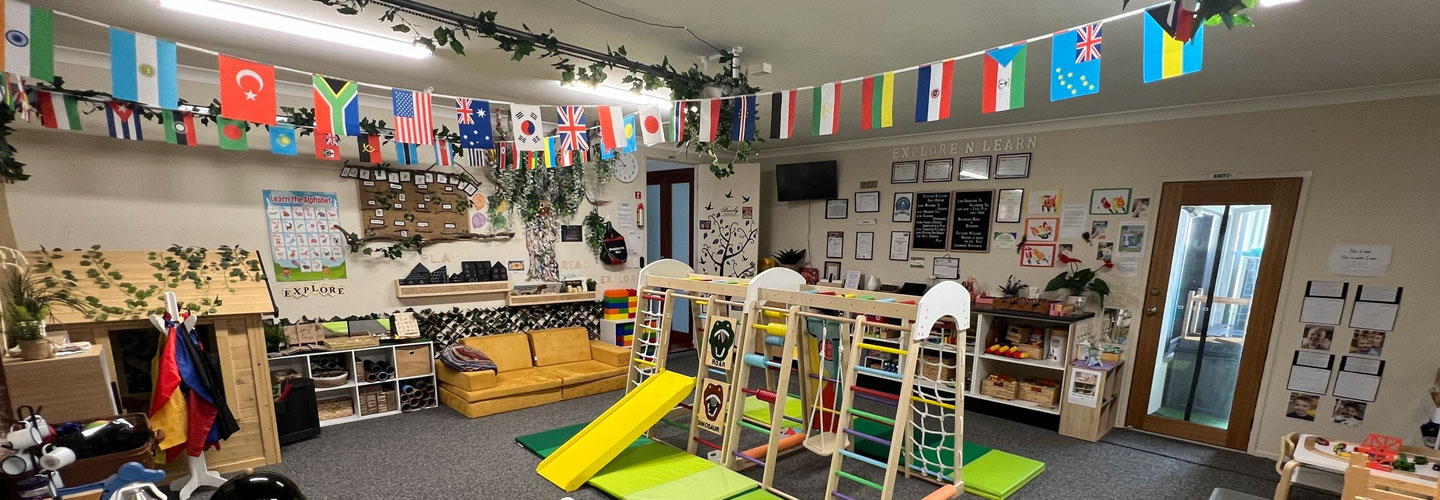
- Creating calm, welcoming learning environments
- Encouraging independence and resilience
- Celebrating each child's individual strengths
Our small family day care setting allows us to provide personalised support that helps every child feel safe, valued and confident.
Emotional Regulation and the Early Years Learning Framework (EYLF)
Supporting emotional regulation aligns closely with the Early Years Learning Framework (EYLF).
Children develop:
- Outcome 1: A strong sense of identity through secure relationships.
- Outcome 2: A sense of belonging and respect for others.
- Outcome 3: Strong wellbeing through emotional resilience and self-regulation.
- Outcome 4: Confidence to investigate, solve problems and persist.
- Outcome 5: Communication skills to express emotions and ideas effectively.
By embedding emotional learning into everyday experiences, children develop the confidence and resilience needed for lifelong success.
Tips for Families to Support Emotional Regulation at Home
Parents play a vital role in helping children build emotional regulation skills.
Simple everyday strategies include:
- Reading books about emotions
- Talking about feelings during daily routines
- Practising deep breathing together
- Allowing time for outdoor play
- Creating predictable routines
- Encouraging children to solve simple problems
- Praising effort rather than perfection
- Modelling respectful communication
Small, consistent interactions help children build confidence in managing their emotions.
Frequently Asked Questions
At what age do children begin learning emotional regulation?
Emotional regulation begins in infancy and continues developing throughout childhood. Young children need caring adults to guide and support them as they learn to understand and manage their emotions.
What is the difference between emotional regulation and self-regulation?
Emotional regulation refers specifically to recognising and managing emotions, while self-regulation includes managing emotions, behaviour, attention and impulses.
Can emotional regulation be taught through play?
Yes. Play-based learning provides natural opportunities for children to practise patience, cooperation, problem-solving, communication and resilience in meaningful ways.
Why is emotional regulation important before starting school?
Children who can recognise and manage their emotions often adapt more easily to school routines, build positive relationships and participate confidently in learning experiences.
Helping Children Build Lifelong Emotional Skills
Emotional regulation is not about eliminating big feelings—it is about giving children the tools, confidence and support to understand those feelings and respond in healthy ways.
At Explore N Learn Family Day Care, we create a warm, nurturing environment where children feel safe to express themselves, build resilience and develop positive relationships. Through play-based learning, nature experiences and caring interactions, children gain the emotional skills they need to thrive at home, in school and throughout life.
If you're looking for a family day care in Mt Cotton that values children's emotional wellbeing alongside their learning and development, Explore N Learn Family Day Care provides a supportive environment where every child is encouraged to grow with confidence, kindness and resilience.